


USDT and USDC are the two largest US dollar-pegged stablecoins, designed to maintain a value close to $1. Both are used for transfers, trading, holding funds in dollar terms and interacting with DeFi services. However, they differ in issuer, reserve structure, transparency, regulatory status, liquidity and blockchain support.
USDT is usually chosen for its high liquidity, broad exchange support and popularity for transfers. USDC is more often viewed as a regulation-oriented stablecoin with a stronger focus on reserve transparency and compliance with financial market requirements.
In this article, we explain how USDT differs from USDC, which stablecoin may be more suitable for transfers, trading, holding funds, and which risks users should consider.
To better understand the difference between USDT and USDC, you can also read our separate guide on what USDT is, how Tether works, and why this stablecoin is widely used for transfers, trading and storing value.
What is the difference between USDC and USDT
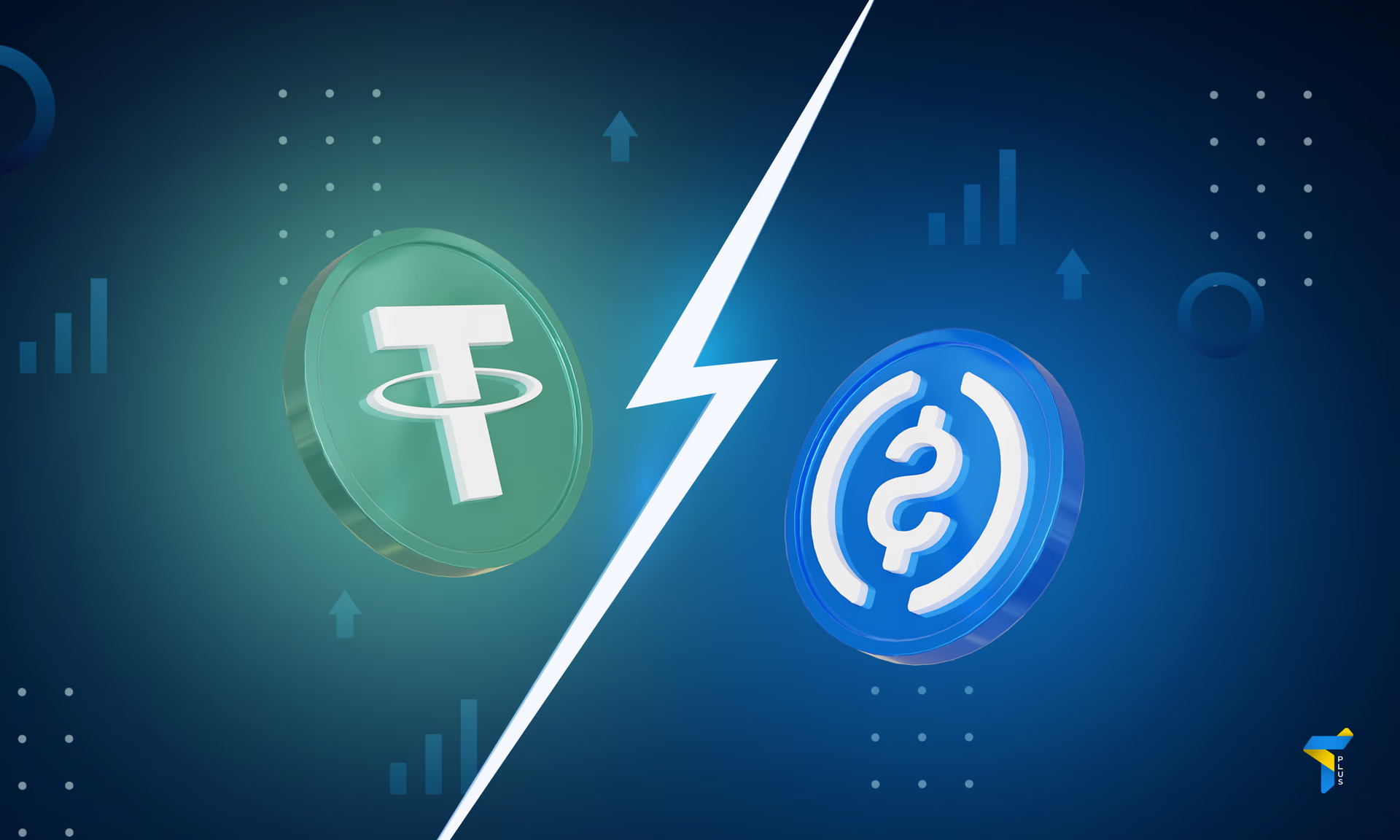
USDT and USDC are stablecoins, a special type of cryptocurrency token created to maintain a constant value. This is why they are tied to the value of a stable asset, most often the U.S. dollar, which makes them less volatile than other cryptocurrencies.
Stablecoins come in different types:
- backed by fiat currencies,
- cryptocurrencies,
- commodities,
- algorithmic.
USDC is fully collateralized by U.S. dollars and short-term U.S. Treasury bonds held in accounts at regulated U.S. financial institutions. Circle is regularly audited and publishes reports on its reserves. USDT, on the other hand, was criticized for a fairly long period for its lack of transparency regarding its collateral, but Tether has recently corrected itself and reports on their reserves have been made available to the public.
| Criterion | USDT | USDC |
|---|---|---|
| Issuer | Tether | Circle |
| Peg | US dollar | US dollar |
| Main strength | High liquidity and broad platform support | Reserve transparency and regulatory focus |
| Reserves | According to Tether, backed by the company’s reserves | Highly liquid cash and cash-equivalent reserves, according to Circle |
| Common uses | Transfers, trading and exchanges | Transfers, regulated platforms, DeFi and payments |
| Main risks | Centralisation, issuer and regulatory risks, reserve transparency | Centralisation, temporary depeg and dependence on banking infrastructure |
| Best suited for | When liquidity and broad support are priorities | When transparency and regulatory alignment are priorities |
Which networks support USDC and USDT?
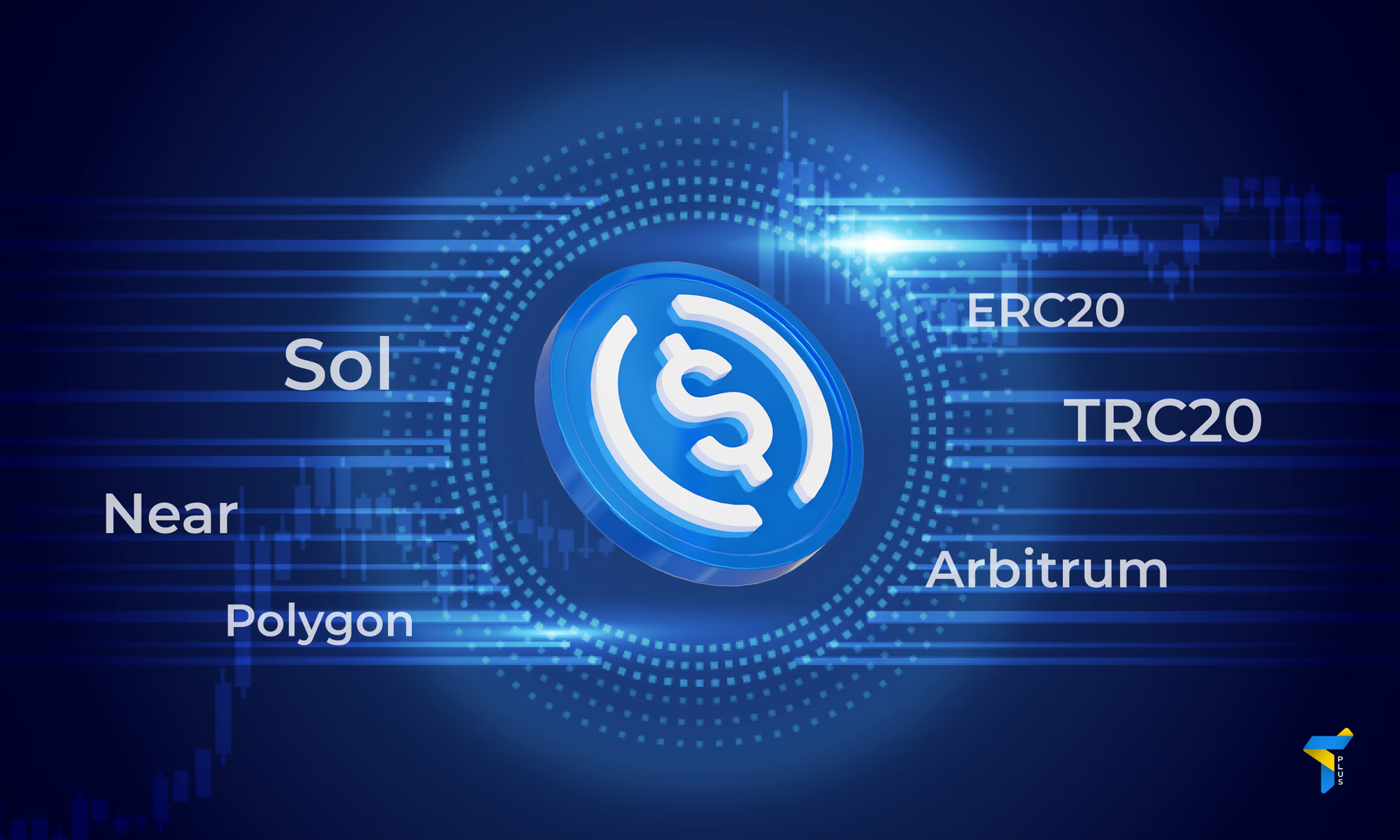
SDC and USDT are available on multiple blockchain networks. This allows users to choose an option based on transaction fees, speed, wallet or exchange support and the intended use.
A stablecoin and its network are not the same thing. For example, USDC on Ethereum and USDC on Solana represent the same dollar-pegged asset, but transactions take place on different blockchains.
USDC is natively issued on dozens of networks, including Ethereum, Solana, Base, Arbitrum, Avalanche, Polygon PoS, NEAR, Optimism, Stellar, Aptos, Sui and Celo. Circle also provides CCTP infrastructure for moving USDC between supported blockchains.
USDT is available on networks including Ethereum, Tron, Solana, TON, Aptos, Avalanche, Celo, Kaia, NEAR, Tezos, Kava, Polkadot AssetHub and Liquid. USDT on Tron is commonly used for transfers, while ERC-20 remains widely supported by exchanges, wallets and Ethereum-based applications.
USDC on Tron is no longer a current option: Circle discontinued support for this network in 2024. USDT TRC-20, however, remains supported by Tether.
Before making a transfer, check the stablecoin, network and recipient address. Sending USDT or USDC through an unsupported network may result in lost funds or require recovery through the receiving platform.

How to create a USDC wallet
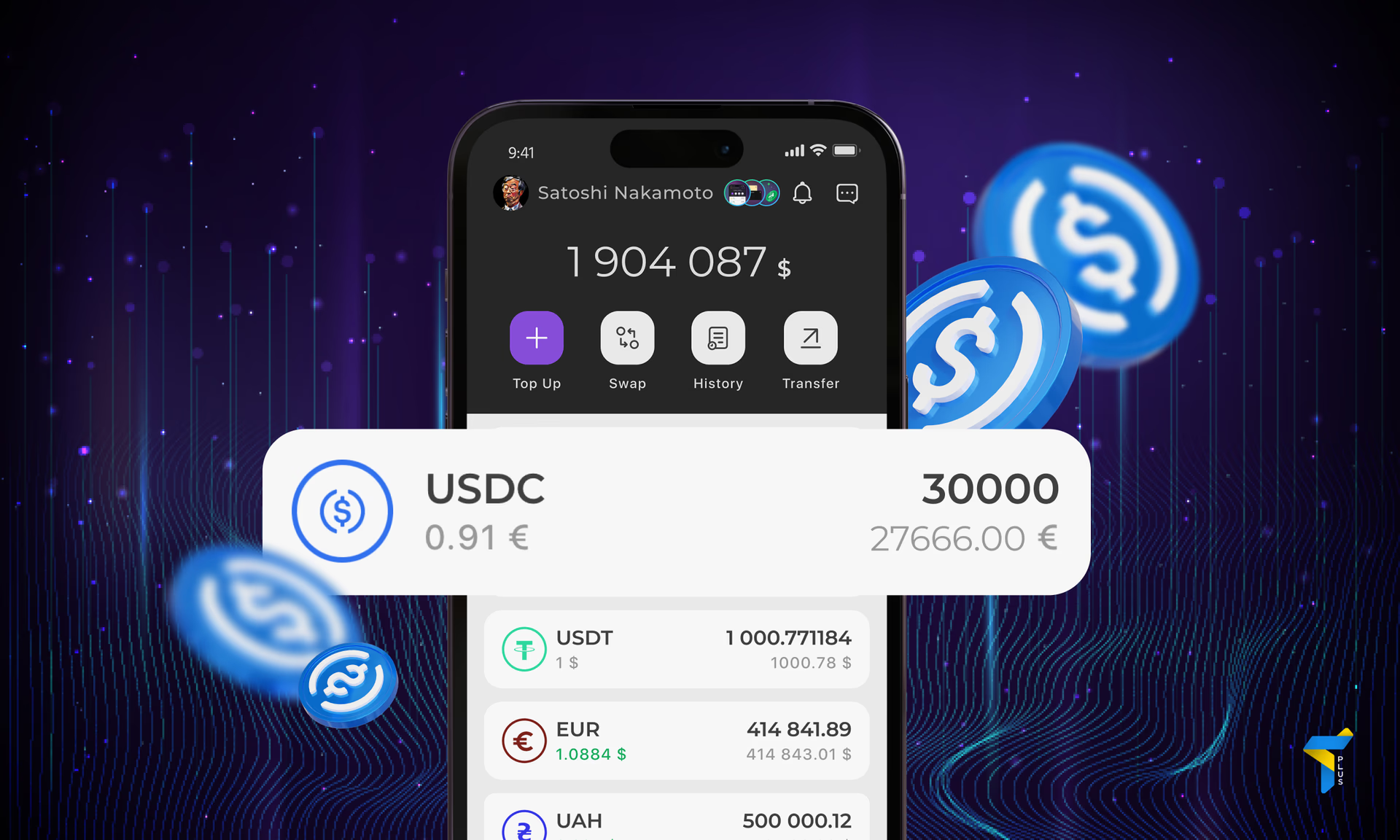
Creating a USDC wallet is easy with Trustee Plus. This feature-rich cryptocurrency platform offers a user-friendly mobile app for iOS and Android, which makes managing USDC tokens and other cryptocurrencies much easier.
To create a USDC wallet, you will only need:
- Smartphone
- Verification document
Benefits of using Trustee Plus for USDC:
- Automatic creation of wallets for more than 30 digital assets, including USDC;
- Possibility to issue a payment card for cryptocurrency settlements;
- 0% commission on stablecoin exchanges, transfers and crypto top-ups;
- User-friendly interface for fast transactions between users.
Important: For detailed instructions on how to create a USDC wallet, visit the official Trustee Plus website.
Since both USDT and USDC are issued by centralized companies, users should remember that these stablecoins may include address-level restrictions. Before accepting large transfers, it is useful to check USDT and USDC address blacklist status and understand whether a wallet can send tokens normally.
How to buy USD Coin for Euros
Important: for detailed step-by-step instructions on how to buy USDC for Euros, visit the instructions page on the official Trustee Plus website.
Summary
USDT and USDC serve the same basic purpose, but their strengths differ. USDT is generally more convenient when liquidity and broad platform coverage matter, while USDC may be preferable when reserve disclosure and regulatory alignment are priorities.
There is no universal winner: the practical choice depends on the intended use, receiving platform, supported network and transaction fees. Before sending funds, verify the token, blockchain and destination address.