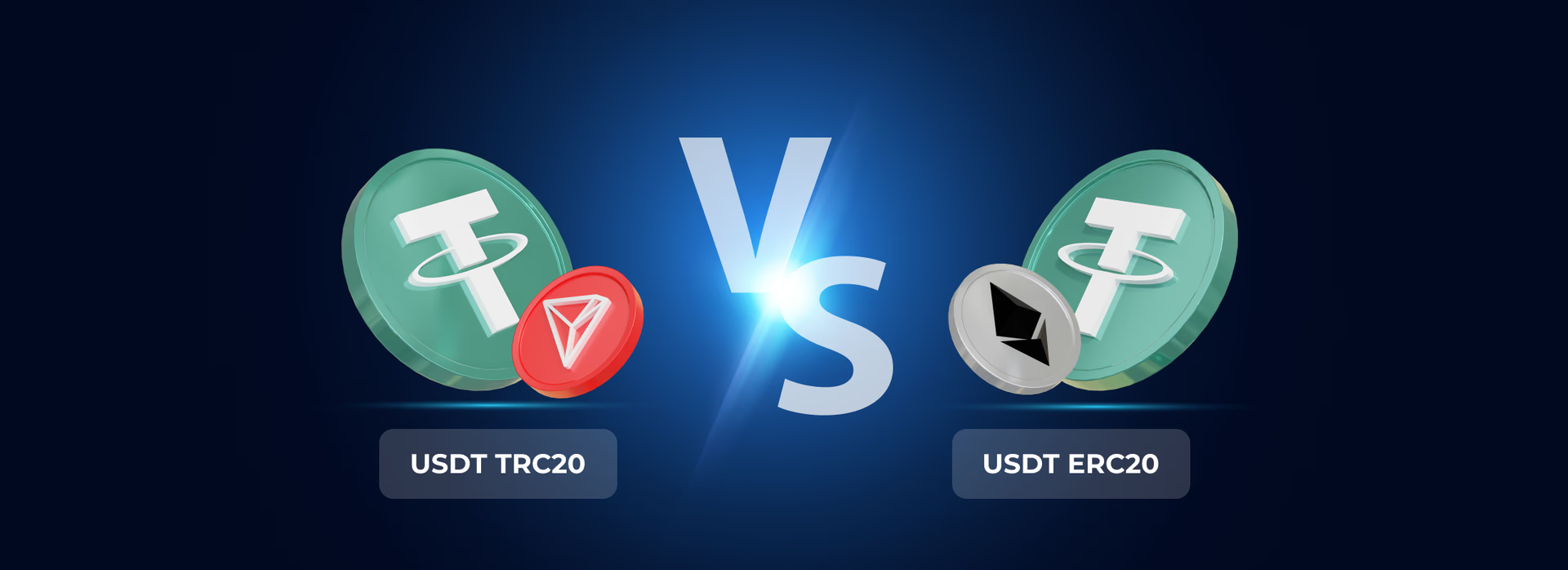



USDT TRC20 and USDT ERC20 are the same Tether USD₮ stablecoin issued on different blockchain networks: Tron and Ethereum. The main differences lie in fees, confirmation speed, address format, transaction fee mechanics and compatibility with wallets, exchanges, DeFi protocols and crypto services.
In this article, we will explain how USDT TRC20 differs from ERC20, how to correctly identify the network, what to check before sending funds and how to choose a suitable USDT wallet for transfers, storage or working with crypto services.
Key Takeaways
- USDT TRC20 and USDT ERC20 are the same Tether stablecoin, but on different networks: Tron and Ethereum. The balance, address, fees and speed depend on the selected blockchain.
- USDT TRC20 is more often chosen for fast transfers and lower fee costs, especially for regular P2P payments, transfers between exchanges and everyday transactions.
- USDT ERC20 is suitable for users who need compatibility with Ethereum, DeFi protocols, Web3 applications, NFT platforms and smart contract infrastructure.
- Before sending USDT, you must always check the network: a TRC20 address usually starts with T, while an ERC20 address starts with 0x. A network mistake may lead to loss of funds or a complicated recovery process.
- Fees in both networks change depending on network load, gas price, available resources and the conditions of the wallet or exchange, so always check the final fee amount before making a transfer.


USDT ERC20 — what is it?
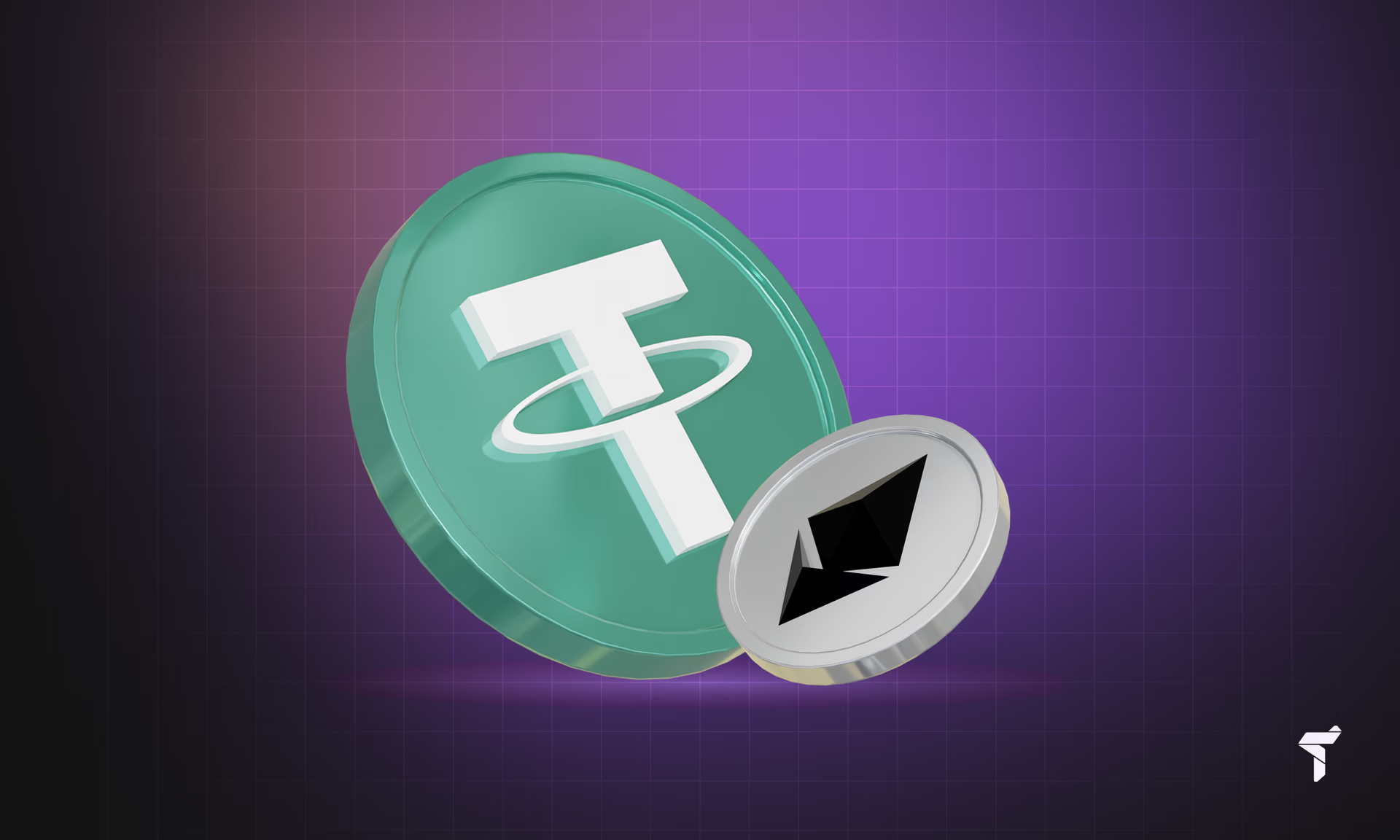
USDT ERC20 is a version of the Tether USD₮ token issued on the Ethereum blockchain. ERC-20 is the standard for creating tokens on this network, which ensures their compatibility with other Ethereum-based projects. This means that any token that follows the ERC-20 standard can interact with various decentralized applications, wallets and exchanges that support Ethereum.
Ethereum provides a high level of security, but transactions on the network are paid for with gas. These fees depend on the complexity of the operation, current network load, gas price and user activity. A regular USDT ERC20 transfer is usually more expensive than a USDT TRC20 transfer, especially when the Ethereum network is congested.
Therefore, the ERC-20 network is suitable for users who are willing to pay more for security, decentralization and broad compatibility with Ethereum-based products and services, including DeFi, DEXs, lending protocols, Web3 wallets and smart contract applications.
USDT TRC20 — what is it?
USDT TRC20 is a version of the Tether USD₮ stablecoin issued on the Tron blockchain, which uses the TRC-20 standard to create tokens. Unlike Ethereum, Tron operates on a Delegated Proof of Stake (DPoS) model, where transactions are confirmed by super representatives. This architecture allows the network to process transfers quickly and usually with lower costs for the user.
The Tron network also differs from Ethereum in its transaction processing mechanism. USDT TRC20 transfers often cost less than ERC-20 transfers, and when sufficient resources are available or solutions that compensate for Energy are used, costs can be minimal. However, it should not be assumed that USDT TRC20 is always sent for free: if an address lacks resources, the network burns TRX to pay for the transaction.
The main difference between USDT ERC20 and USDT TRC20
The difference between TRC20 and ERC20 primarily lies in the blockchains — Ethereum and Tron — which affect speed, transaction cost, address format, fee payment method and support for various applications. The choice between these two options depends on what matters more to you: security and a developed Web3 ecosystem, or speed and lower transfer costs.
Below is a table showing the main differences between USDT ERC20 and USDT TRC20.
|
USDT ERC20 (Ethereum) |
USDT TRC20 (Tron) | |
|
Blockchain |
Ethereum |
Tron |
|
Consensus algorithm |
Proof of Stake (PoS) |
Delegated Proof of Stake (DPoS) |
|
Address format |
Usually starts with 0x |
Usually starts with T |
|
Transaction speed |
Usually from a few seconds to a few minutes, depending on gas and network load |
Usually a few seconds or tens of seconds, depending on the network and service |
|
Fees |
Paid in ETH and may rise noticeably during high Ethereum network load |
Depend on Bandwidth, Energy and the availability of TRX; often lower than on Ethereum |
|
Application support |
Broad compatibility with DApps, DeFi, DEXs and Web3 services |
Good support for transfers and exchanges, but a more limited DeFi ecosystem |
|
Advantage |
High security, decentralization and compatibility with Ethereum |
Speed, convenience for transfers and lower costs |
How to quickly create a USDT ERC20 or TRC20 wallet?
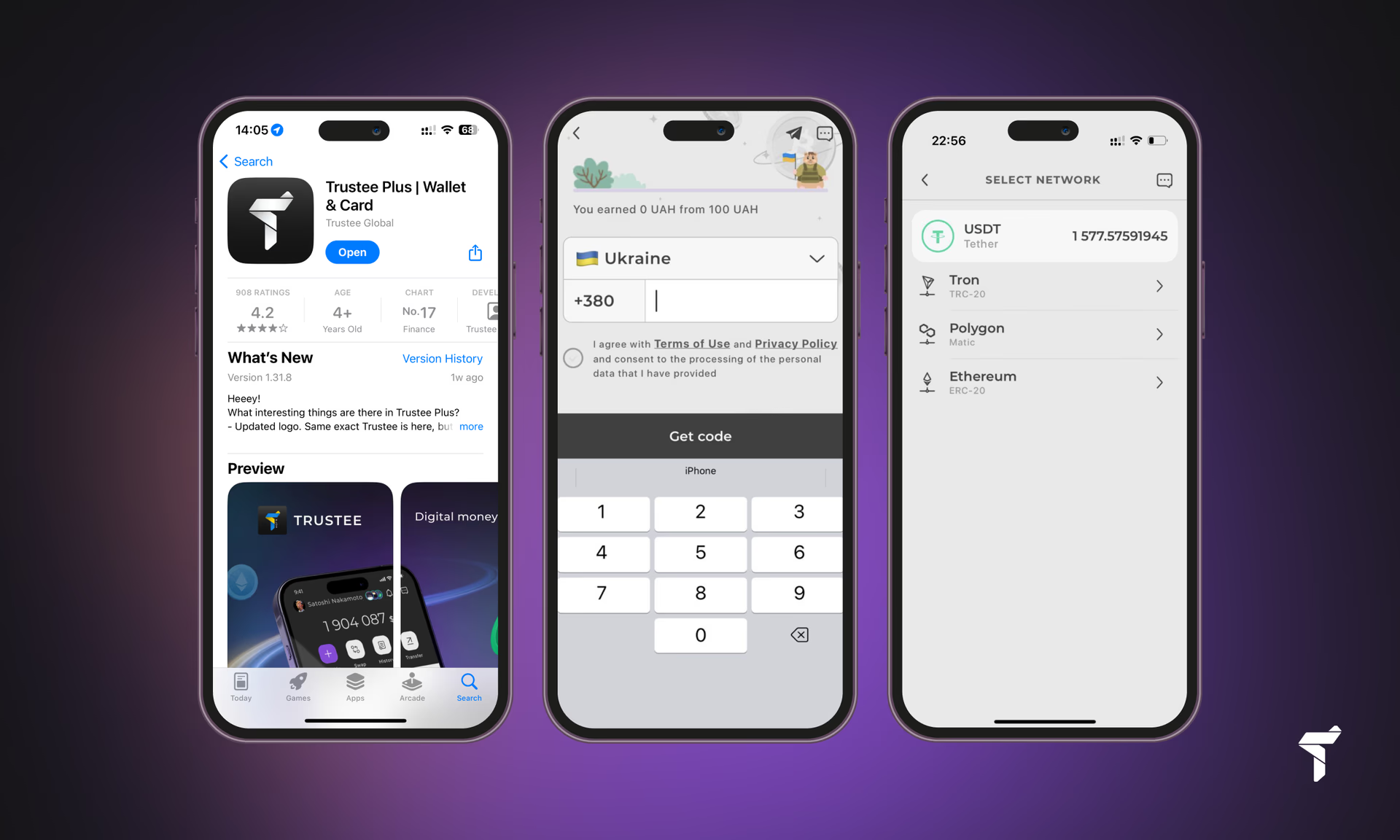
Creating a USDT TRC20 wallet or an ERC20 wallet is a simple process that takes just a few minutes. There are many platforms for creating such wallets, but one convenient and reliable option is Trustee Plus. This platform supports both standards — ERC20 and TRC20 — allowing you to choose the network you need for receiving, storing or transferring USDT.
- Download and install Trustee Plus
Go to Play Market or the App Store, find the Trustee Plus app and download it. Installation takes a few minutes, and you will gain access to a platform that supports various cryptocurrencies, including USDT ERC20 and TRC20.
- Register and confirm your phone number
To create a wallet, enter your phone number and confirm it using the code that will arrive by SMS. This ensures the security of your account and helps protect access to your crypto assets.
- Select the required wallet type
After registration, different wallets will be available in the main menu. Select USDT and the standard you need — ERC20 (Ethereum) or TRC20 (Tron). Before making a deposit, always make sure that the selected network matches the sender’s network.
- Use the wallet to receive or transfer USDT
After selecting the wallet, you will see your unique wallet address, which can be used to top up your USDT balance. You can also send and receive cryptocurrency using the same wallet, checking the network, recipient address and fee before each transaction.
Trustee Plus makes the process of creating USDT wallets simple and fast, allowing everyone to easily integrate cryptocurrency into everyday life.
How to avoid mistakes when transferring USDT TRC20 and ERC20?
The main rule when transferring USDT is that the sender’s network and the recipient’s network must match. If you are sending USDT TRC20, the recipient’s address must support Tron. If you are sending USDT ERC20, the address must support Ethereum. The token name may be the same, but technically these are different versions of USDT on different blockchains.
It is also important to remember that some exchanges and wallets support several networks for USDT, including ERC20, TRC20, BEP-20, Polygon, Arbitrum, Optimism, Avalanche and other options. Therefore, when depositing or withdrawing, choose not only the USDT token, but also the correct transfer network.
Conclusion
If security and broad compatibility with decentralized applications are important to you, USDT ERC20 on the Ethereum blockchain will be an excellent choice. This option is suitable for long-term storage, interaction with various DeFi projects, Web3 applications and Ethereum-based services, but possible high fees and the dependence of transaction speed on network load should be taken into account.
If you want maximum convenience and security, the Trustee Plus platform will be a convenient solution for creating and managing USDT wallets in both the ERC20 and TRC20 networks, providing quick access to your assets and the ability to choose the appropriate network for a specific task.
FAQ
-
Transaction time for TRC20 and ERC20 transfers
The transaction time for USDT TRC20 on the Tron network usually takes from a few seconds to tens of seconds thanks to the blockchain’s high throughput and fast transfer processing. For USDT ERC20, which operates on the Ethereum network, transaction time can vary from a few seconds to several minutes, and during periods of high load — longer, depending on the gas fee paid and the state of the network.
If you often work with different platforms, it is worth checking not only USDT ERC-20 and USDT TRC-20, but also other supported networks. For example, some services accept Tether through BNB Smart Chain, where users can receive and send funds using USDT BEP-20.
-
Where can I find the TRC20 and ERC20 wallet address after creating it?
The ERC20 or TRC20 address is available in your crypto wallet. If you use Trustee Plus, go to your wallet in the corresponding menu and copy the address for a deposit or transfer. Detailed instructions can be found at this link. Before sending, always check that the selected network matches the transfer network.
-
How to transfer USDT TRC20?
To transfer USDT TRC20, open your wallet, select USDT on the TRC20 network, enter the recipient’s address and confirm the transaction. You can find the full instructions here. Before confirming, check the address, Tron network, transfer amount and fee.
-
How to track a TRC20 and ERC20 transaction?
You can track USDT TRC20 transactions through TronScan (tronscan.org), and USDT ERC20 transactions through EtherScan (etherscan.io). Simply enter the transaction hash or your wallet address into the search bar on these websites to get detailed information about the status, confirmations, fee and transaction time.
-
How to easily withdraw money from USDT TRC20 to a bank card?
To withdraw USDT TRC20 to a bank card, use the Trustee Plus platform, where you can convert your assets and withdraw funds in convenient ways. Step-by-step instructions can be found at this link.
-
Which is better to choose: USDT TRC20 or USDT ERC20?
USDT TRC20 is more often chosen for fast and cheaper transfers, especially if you need to send funds between wallets, exchanges or users. USDT ERC20 is better suited for working with Ethereum, DeFi protocols, Web3 applications and services where compatibility with the Ethereum ecosystem is required. The optimal choice depends on the purpose of the transfer, fee, speed and network support on the recipient’s side.
-
What happens if you send USDT on the wrong network?
If USDT is sent on the wrong network, the funds may not appear for the recipient or may become unavailable without help from the service’s support team. For example, USDT TRC20 must not be sent to an address that accepts only ERC20, and vice versa. In some cases, recovery is possible, but it may take time, require confirmations and is not always supported by the platform.